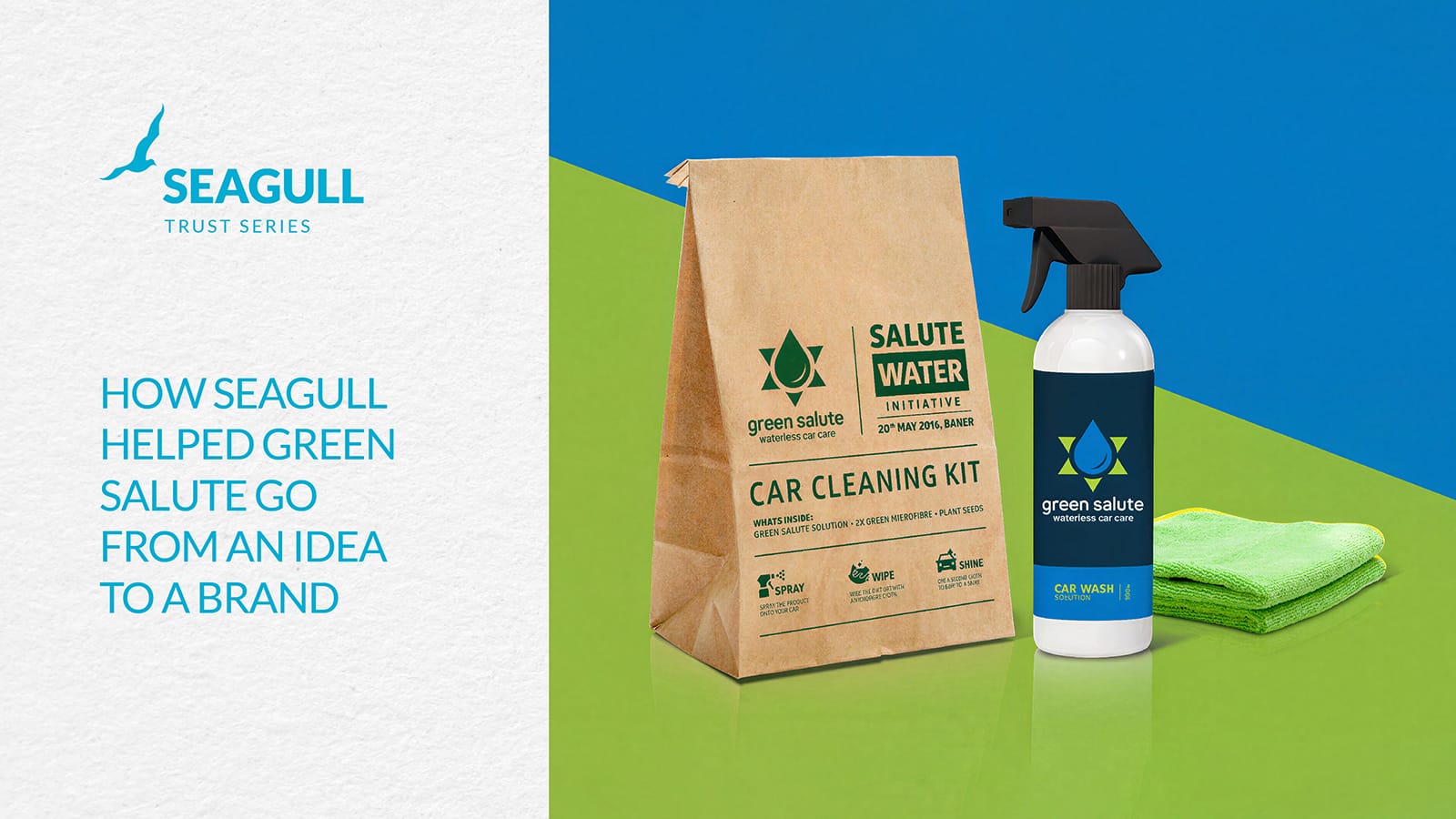
How Green Salute Built Trust in Waterless Car Cleaning
Key Takeaways
- For brothers Akshay and Ninad Dhok, conserving water was personal. For car owners, the unfamiliar cleaning method first had to earn trust.
- Seagull helped the founders move from the working name Liquido to Green Salute and planned an early launch built around live demonstrations.
- The first housing-society pilot in Baner brought in 30 subscriptions on its opening day, according to the founders’ account.
- The founders later learnt that customers valued convenience and reliable service alongside the environmental benefit.
- The lesson for purpose-led businesses: a meaningful cause can start a conversation, but a useful experience brings people back.
In Amravati, water was never something Akshay and Ninad Dhok took for granted. The brothers grew up knowing what a shortage felt like. Years later, watching buckets of clean water being used to wash cars in the city, they saw a problem that was hard to ignore.
Ninad had seen cars being cleaned without water during a visit to drought-hit California. If the method worked there, why not in India? The brothers began exploring how to bring it home.
The process itself was surprisingly simple: a cleaning solution sprayed onto a car, with dirt removed using microfibre towels. Yet the idea came with an awkward question. Would anybody believe a car could be properly cleaned without water?
That is where purpose driven branding faces its first real test. A cause can inspire a business. The customer still needs a reason to trust what it is selling.
The First Job Was to Make the Idea Believable
The brothers came to a free session at Seagull with an idea they were calling Liquido. Sameer Desai asked them to visit the office the following day. That meeting marked the beginning of Seagull’s involvement with the business.
We started where strategy should start: with the product-market fit. Who would buy the service? How were they cleaning their cars already? What would stop them from trying something new? And how could the name help explain the idea?
Liquido described a liquid. Green Salute expressed a reason for being. The new name gave the founders’ stand against water wastage a clear identity, without asking every customer to sit through an environmental lecture.
The Green Salute branding challenge had two sides. The brand needed to stand for something worthwhile, and the service needed to feel entirely credible. For Seagull, that was the heart of waterless car wash branding: people had to believe the result before they could appreciate the cause.
Show the Clean Car. Let People Decide.
An advertisement could explain the process. It could not remove the doubt. So we agreed with the founders to build the early launch around free demonstrations in housing societies and corporate offices. People could see a dirty car being cleaned without anyone pouring a bucket of water over it.
The early Green Salute branding campaign was therefore built around something wonderfully direct: proof. Residents watched the method, saw the finish and could decide for themselves.
In the first society pilot in Baner, the brothers booked 30 subscriptions on the opening day, as recounted in their story. It was an encouraging start, although the harder test of making the business viable still lay ahead.
Any sustainability marketing campaign faces a similar challenge. Environmental intent may earn attention, but the offering has to deliver in the customer’s hands.
Then the Customers Changed the Brief
The original daily-cleaning subscription model proved difficult to sustain. Teams had to move between housing societies before sunrise, while the founders struggled to maintain a consistent service and workable economics. They kept looking for a better approach.
A practical breakthrough came at Westend Mall in Pune. The brothers offered shoppers a car-cleaning service while they watched a film. For ₹350, customers returned to find their cars clean, in the very same parking spot.
The reaction changed the way the founders understood their own business. People appreciated the water-saving idea. What they were ready to pay for, however, was the convenience of getting a good job done without giving up their time.
Green Salute began shifting from daily subscriptions towards on-demand car cleaning and detailing. The founders also developed a model of working with micro-entrepreneurs, giving service partners a share of the revenue from the cars they cleaned. These were decisions shaped through operating the business and listening closely to customers.
A green marketing campaign may persuade someone to try a service once. The experience determines whether they book it again.
What the Green Salute Story Teaches About Building Brands
This journey makes a useful distinction: the reason a company begins is not always the reason people buy from it. Green Salute began with water conservation. Its customers also wanted their cars taken care of, at a convenient place and time. The brand became stronger when those needs met.
For a brand strategy consulting agency, the important question sits beneath the campaign brief: what do customers actually value enough to choose?
Three lessons from the journey are worth remembering:
- Start with a problem you understand. The founders’ experience of water scarcity gave the business a conviction that could not be manufactured in a brainstorm.
- Make an unfamiliar promise visible. Early demonstrations allowed people to judge the service with their own eyes.
- Let the market correct the plan. The move towards on-demand service followed what customers showed they valued, not merely what the founders expected them to value.
Today, Green Salute describes its offering as tech-enabled doorstep car care, including on-demand cleaning and detailing. The business has evolved, but the reason it began remains easy to recognise: save water by changing an everyday habit.
As Sameer Desai puts the larger lesson neatly: “The product is only where a brand begins. What the customer values is what you are really selling.”
The brothers set out to stop water being wasted on car washes. They learnt to make that better choice convenient enough for people to keep making. And perhaps that is when a purpose-led idea truly becomes a brand.
FAQs
- What did Seagull contribute to the Green Salute brand?
Seagull worked with the founders on the early product-market and customer understanding, helped move the name from Liquido to Green Salute, and planned an initial launch around live demonstrations that made the unfamiliar service easier to trust.
- Why were live demonstrations important for Green Salute?
At the time, many potential customers were unsure a car could be cleaned properly without water. Seeing the process and result for themselves helped address that concern more directly than an advertisement could. - How did Green Salute’s business model evolve?
The founders found that daily subscriptions were operationally difficult. They later explored on-demand cleaning at locations such as Westend Mall and developed a partner-led model involving micro-entrepreneurs. - What can sustainability-focused brands learn from this story?
A genuine mission gives a brand direction, but customers must also see a practical benefit. Green Salute’s experience shows why proving the product and staying responsive to customer behaviour matter as much as communicating the cause.